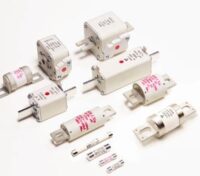
 In photovoltaic (PV) systems, fuses provide essential protection against overcurrent conditions that may result from panel malfunctions, wiring defects, or grounding faults. When installed strategically—often in DC combiner boxes—fuses isolate individual solar panel strings during a fault, preventing damage to inverters and other critical components.
Like other electrical applications, fuse protection in PV systems is based on limiting current to prevent system-wide failures and reduce downtime. This is especially important in large solar farms, where high power levels can easily exceed safe operating thresholds if not properly controlled.
Why Fuse Protection Is Essential
Beyond preventing physical damage, proper fuse protection ensures regulatory compliance, improves system efficiency, and reduces fire risk. By stopping overloads without frequent replacements, fuses help maintain stable operation in both PV and EV-charging environments, enabling more efficient energy management.
However, using a fuse on a grounded solar array for ground-fault protection can introduce a “blind spot”: a ground fault on the already grounded conductor may not generate enough current to blow the fuse. As a result, secondary faults can remain undetected and lead to unexpected system behavior or fire hazards.
Though simple in appearance, fuses serve a sophisticated safety function. Each fuse contains a metal strip that melts under excessive current, breaking the circuit. Unlike resettable circuit breakers, fuses are single-use and must be replaced after operation.
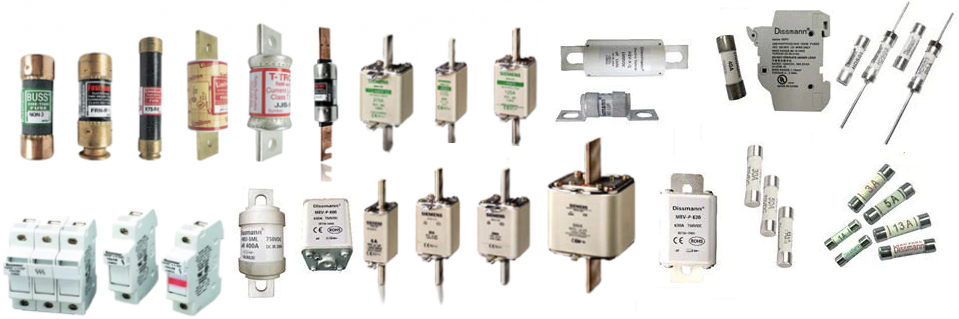
In solar applications, fuses protect against several key scenarios:
- Overcurrent protection: Preventing conductors from carrying more current than they are rated for
- Fault-current interruption: Stopping high fault currents during short circuits
- Reverse-current protection: Preventing current from flowing backward into solar modules
-
Battery protection: Limiting excessive charge or discharge currents that could damage battery systems
Proper fuse selection requires matching fuse characteristics to the protection requirements of each circuit.
Why Choose Fuses Over Other Protection Devices in PV Systems?
Although circuit breakers are available, PV-specific fuses offer distinct advantages:
- Ultra-fast response time: They react within milliseconds during short circuits, minimizing damage.
- Simplicity and reliability: With no moving parts, they are less prone to wear or contamination.
-
High DC breaking capacity: Particularly important above 1000 VDC, where DC arcs are difficult to extinguish.
- Cost-effective and easily replaced: Fuses are inexpensive and simple to swap, reducing maintenance complexity.