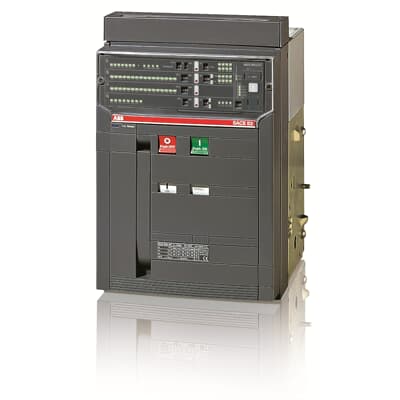
Description
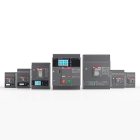
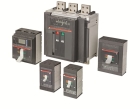
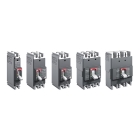
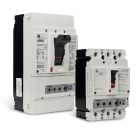
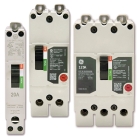
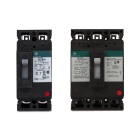
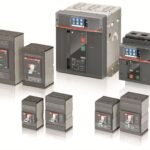
Molded Case Circuit Breakers (MCCB)
In electrical engineering, safety and reliability are critical. ABB circuit breakers have established themselves as industry-leading solutions for safeguarding electrical systems across a wide variety of applications. Known for their exceptional performance and dependability, ABB breakers are used extensively across industries, offering a wide range of types, voltage ratings, and current capacities.
ABB circuit breakers are engineered to handle everything from low-voltage applications—just a few hundred volts—to high-voltage systems that exceed tens of thousands of volts, making them suitable for virtually any electrical infrastructure.
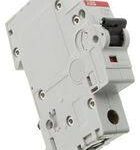
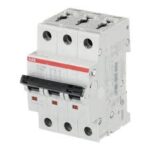
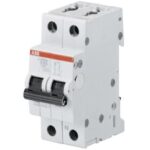
One common type, the Molded Case Circuit Breaker (MCCB), plays a key role in protecting against overloads and short circuits. MCCBs function as automatic switches that interrupt electrical flow in the event of a fault. Overload protection is achieved through a thermal mechanism: when excessive current flows, a bimetallic strip heats up and bends, triggering a mechanical latch that opens the contacts to stop the current. Once normal conditions return, the breaker can be reset.
For short circuit protection, MCCBs use an electromagnetic mechanism that reacts instantly. A surge in current activates a magnetic coil, releasing the latch and opening the contacts to stop the flow. After the fault is cleared, the MCCB can be manually reset to resume operation.